MLB NRFI Bets: Comparing No Run First Inning Odds for UK Punters
 Available in US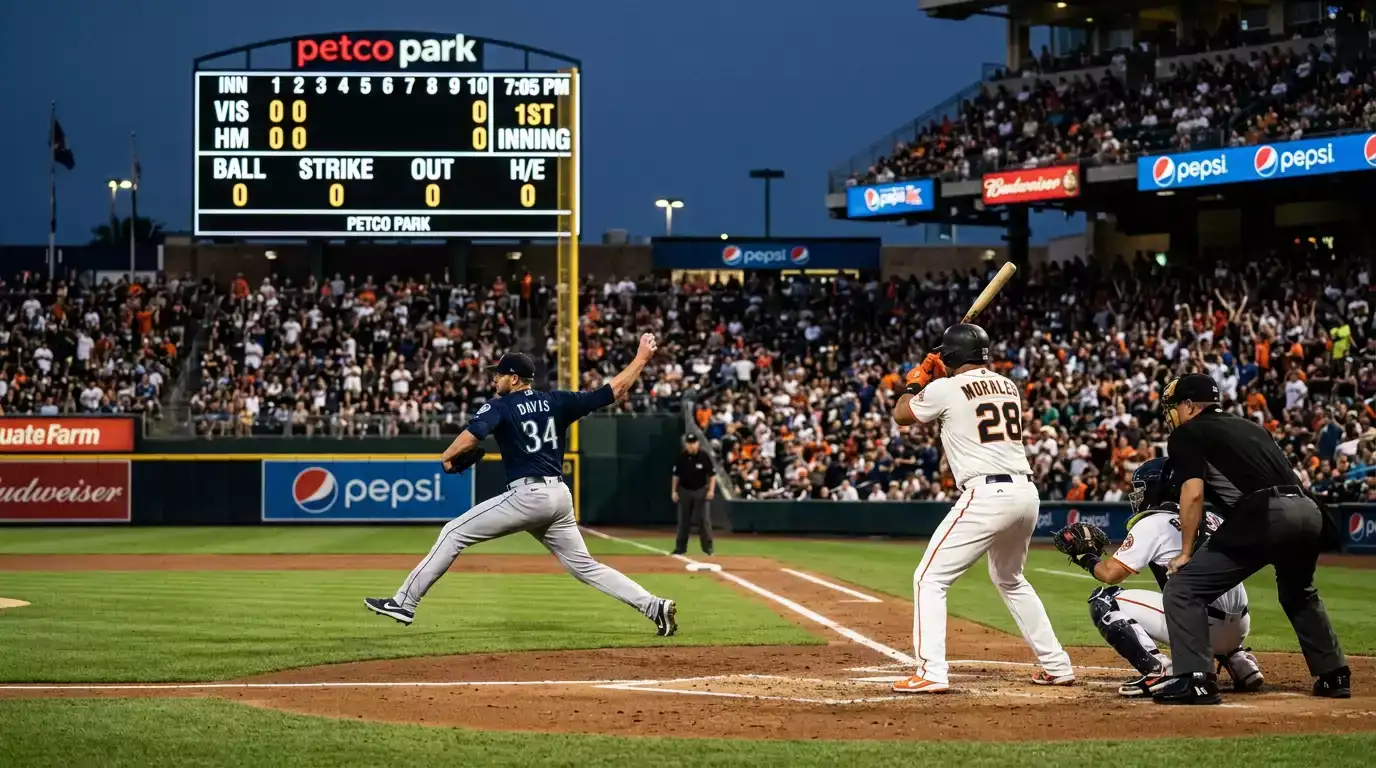
NRFI became my warm-up bet. Not because it is easy money – nothing in this sport is – but because it settles fast, demands specific analysis, and forces you to study the one matchup that matters most: two starting pitchers facing each other’s lineups cold, with no information from earlier at-bats to work with. Every NRFI bet is a bet on first impressions, and in a sport with 2,430 regular-season games, there is no shortage of first impressions to evaluate.
Defining NRFI and YRFI Betting Markets
NRFI stands for No Run First Inning. You are betting that neither team scores in the top and bottom of the first inning. YRFI – Yes Run First Inning – is the opposite: at least one run crosses the plate before the second inning begins. The market is binary, settles quickly, and has no connection to the final score. A game can finish 12-9 and your NRFI still wins if the first inning was scoreless.
The appeal for UK punters is partly about timing. MLB first pitches arrive late in the British evening – typically between 11 PM and 1 AM BST for East Coast games. If you do not want to stay up until 2 AM to see how a full game plays out, an NRFI bet gives you a result within fifteen or twenty minutes. You get the analytical challenge, the stake, and the outcome without committing your entire night to a single wager.
The market itself is straightforward. Most UK sportsbooks that carry MLB will offer NRFI and YRFI as a standard pre-match market, often listed under “specials” or “innings betting.” Odds typically sit in the 1.70 to 2.10 range for NRFI depending on the pitching matchup, which tells you the market sees scoreless first innings as roughly a coin flip with slight variation based on the starters involved.
Pitcher Matchups That Favour a Scoreless First
The single biggest predictor of a first-inning shutout is the quality of both starting pitchers – not just one. A dominant ace facing a league-average arm is less favourable for NRFI than two above-average starters facing each other, because the weaker pitcher’s lineup will likely be first or second in the batting order, and those are generally the best hitters in the team.
What I look for specifically: first-inning ERA, which some stat providers break out separately from overall ERA. A pitcher’s overall ERA might be 3.50, but his first-inning ERA could be 2.10 because he comes out with maximum velocity and sharpest command before fatigue sets in. Conversely, some pitchers historically struggle in the first – they need an inning to settle, often walking a leadoff batter or allowing a first-pitch fastball to get hit hard. That first-inning split data is the difference between a blind NRFI bet and an informed one.
Strikeout rate in the first inning is another useful metric. Pitchers who miss bats early, typically power arms who can sit in the upper velocity range when fresh, generate outs without putting balls in play, reducing the chance of a bloop single or a defensive error leading to a run. Cross-reference each starter’s first-inning K rate against the opposing lineup’s first-inning on-base percentage, and you have a decent framework for filtering the day’s NRFI candidates. When you want to go deeper into which pitcher stats genuinely predict prop outcomes, the same analytical approach extends beyond the first inning.
Ballpark, Lineup, and Weather Factors
Not every scoreless-looking matchup plays out the same way in every stadium. A game at a launching pad like a high-altitude venue with thin air and short fences will produce first-inning runs more frequently than the same matchup in a pitcher-friendly park with deep outfield walls and marine-layer air that kills fly balls. Park factors are not optional context for NRFI betting, they are foundational.
Lineup construction adds another layer. Teams that stack their best hitters in the top three spots are designed to score early. If the away team leads off with three hitters who all carry on-base percentages above .350, the probability of a scoreless top of the first drops regardless of who is pitching. Conversely, some managers bat their fastest runner leadoff even if he does not get on base frequently, which is actually friendlier to an NRFI outcome because speed without contact does not produce runs.
Weather matters too, though its effect on the first inning specifically is more muted than its effect on game totals. Wind blowing out at a ballpark can carry marginal fly balls over the fence, but you need the contact to happen first. Temperature affects ball flight, warmer air is less dense, so balls travel farther, but the impact on a single half-inning is modest compared to its cumulative effect over nine innings. Still, if you are choosing between two otherwise equivalent NRFI candidates, pick the one in the park with wind blowing in.
How NRFI Odds Are Priced
Bookmakers price NRFI markets primarily from starting-pitcher data and first-inning run-scoring rates. The average bookmaker hold of 10.15% in the US market gives you a sense of how much margin is embedded in lines generally, and NRFI markets are no exception. The overround on an NRFI/YRFI pair is typically narrower than on a moneyline because the binary nature of the outcome simplifies the modelling, but you are still paying a margin.
Price movement in NRFI markets tends to be small and late. Unlike moneylines, which can swing significantly on sharp-money action, NRFI lines usually hold steady until close to first pitch. The exception is a late lineup change, if a team’s leadoff hitter is scratched and replaced by a weaker bat, the NRFI price may shorten slightly because the first-inning scoring threat has decreased.
One pattern I have noticed over the past two seasons: NRFI prices are slightly more generous on day games. The theory, and I am speculating here, not citing a study, is that hitters perform marginally worse in afternoon starts due to sun angles and shadows affecting pitch visibility, particularly at parks without full shade coverage. Whether the effect is real or coincidental, the prices have been consistently softer, and softer prices mean better expected value when your analysis supports the selection.
What is the historical hit rate for NRFI bets across a full MLB season?
Across recent seasons, roughly 52-55% of MLB games feature a scoreless first inning. The exact rate fluctuates year to year depending on league-wide pitching quality, rule changes, and offensive trends. This baseline means NRFI is not a high-percentage play by default, you need to be selective about which matchups you target to achieve a hit rate meaningfully above the breakeven threshold implied by the odds.
Can I include NRFI bets in a same-game parlay?
Most UK sportsbooks that offer same-game parlays do allow NRFI as a leg, though availability varies by operator. The correlation between a scoreless first inning and the full-game total means bookmakers will adjust the combined odds to account for that relationship. Adding an NRFI leg to a same-game parlay increases variance significantly, so size your stake accordingly.
Published by the Online Betting mlb team.